


10 Cleaning Mistakes That Can Damage Your Home (How to Clean Smarter)
We’ve all been there. Spraying bleach like it’s holy water, grabbing the first scrubby sponge in sight, or tossing our glass fridge shelves into a steamy sink. But just because you’re cleaning doesn’t mean you’re doing it right. Some common cleaning mistakes can damage your home, ruin your stuff, or even be downright dangerous.
If you want to learn how to clean like a pro, here are the biggest cleaning no-nos: and what to do instead.
1. Mixing Cleaning Products Like You’re in a Science Lab
Mixing chemicals is dangerous and totally unnecessary. Bleach + vinegar = toxic gas. Bleach + ammonia = even worse. Even if someone on CleanTok swears by it.
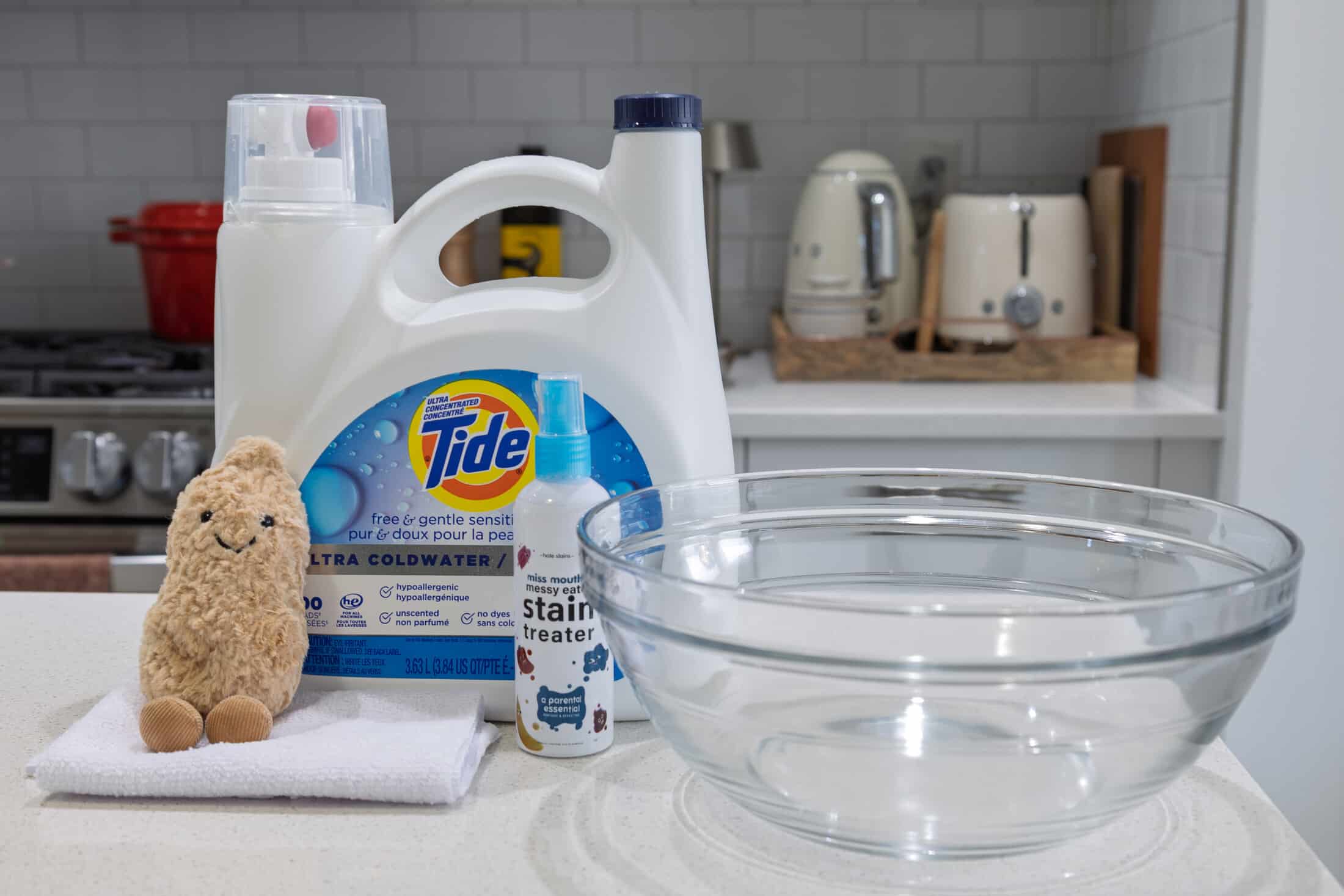
We have a saying for this: Water, bleach, and Tide. Anything else, you need an ambulance ride.
Instead: Stick to one cleaner at a time, rinse in between, and always read the label. Don’t try to be a chemist.

2. Bleaching Marble or Natural Stone
Natural stone might look tough, but it’s a delicate little diva. Bleach and acidic cleaners (we’re looking at you, vinegar and lemon juice) can etch and dull the surface.
Instead: Stick with a mild dish soap and warm water. Wipe gently with a microfiber cloth and dry immediately to avoid water spots.
3. Using Wax-Based Wood Polishes That Build Up Over Time
You know that greasy glow your furniture gets after a few too many coats of polish? That’s buildup. It attracts dust, turns cloudy, and makes your furniture look worse, not better.
Instead: For furniture, dust with a vacuum and horsehair brush, then use a slightly damp cloth with a drop of dish soap to wipe. For wood floors, skip the polishes altogether and use our famous GoCleanCo Tide recipe. Read about that method here.
4. Cleaning Light Bulbs or Fixtures Before They Cool
Cleaning hot bulbs or fixtures with a damp cloth is a great way to meet your local ER staff. And tossing cold glass into hot water? Say goodbye to your fridge shelf.
Instead: Always let bulbs cool completely before cleaning, let glass shelves come to room temperature before introducing hot water. And never mix water and electricity.
5. Using Abrasive Cleaners or Scrubbers on Delicate Surfaces
Abrasive pastes, powders, or the rough side of a sponge can scratch stovetops, faucets, glass, and stainless steel. Once those surfaces are scratched, dirt and grime stick like glue.
Instead: Use a non-scratch sponge and dish soap or a soft microfiber cloth. For stuck-on gunk, soak first. Don’t scrub like you’re sanding drywall.
6. Ignoring Bleach Safety Around Carpet, Fabric, or Clothes You Like
Bleach is magic, but it’s also a little bit evil. One splash on your carpet, towel, or leggings and it’s game over.
Instead: Wear clothes you don’t care about and never use it near fabric or carpet. Ever.
7. Using Cleaning Products Outside Their Intended Purpose
Just because it’s labeled “cleaner” doesn’t mean it works on everything. Using toilet bowl cleaner in your tub or on grout can cause damage, staining, or corrosion. If it says “toilet,” keep it in the toilet.
Instead: Always read the label. Always do a test spot. And resist the urge to freestyle. There’s a reason cleaners are made for specific surfaces.
8. Not Ventilating While Cleaning
Cleaning in a closed-up space, especially with strong products like bleach or oven cleaner, is a recipe for a headache (or worse).
Instead: Crack a window, turn on the fan, or leave the door open. Ventilation keeps you safe and speeds up drying time. Not sure how to properly ventilate? Here is why you should air out your home.
9. Spraying Cleaner Directly Onto Electronics or Screens
Liquid and electronics are not friends. Spraying directly onto your screen can cause streaks, or worse, seepage into the electronics or damaging the coatings on the screen.
Instead: Use a barely damp microfiber cloth (just water is enough) or a screen-safe cleaner made specifically for electronics. If you are using a screen-safe cleaner, spray the cloth not the screen. Gently wipe: no pressure, no sprays, no drama. More details here.
10. Vacuuming Without Checking Your Filters or Bag
If your vacuum smells weird or isn’t picking up much, chances are your filter or bag is clogged. And vacuuming with a full bag just spreads dust around.
Instead: Clean or change your filter regularly and empty the bag/canister before it’s totally full. It’s basic vacuum hygiene, and it makes a huge difference.
Final Thoughts
Learning how to clean the right way isn’t just about working harder, it’s about working smarter. Avoiding these cleaning mistakes saves you time, money, and a few choice words you don’t want the kids to hear.
Ready to master your home? Get the full Cleaning Guide here.
For more smart cleaning advice delivered straight to your inbox weekly, sign up for our newsletter here.

We're big on Instagram.
Follow @GoCleanCo for seriously satisfying videos and top-secret tips. Don’t be shy, come say hi.
gocleanco
598 2,582,098
Sarah McAllister
Collabs: [email protected]
Cleaning expert plus I do some other stuff which is always a wild ride
Mini Vlog Giveaway! 👇🏼
What’s the weirdest thing you have found in your washing machine…I’ll go first: Watch until the end….I think this thing was growing some magic 🫘
Comment below to enter to win a Shark Blast Boss + a year’s supply of laundry goodies.
* Not sponsored or affiliated with Meta. See rules on our website www.housework.com/contest-rules/ Contest ends Oct 1 at midnight.
Mini Vlog Giveaway! 👇🏼
What’s the weirdest thing you have found in your washing machine…I’ll go first: Watch until the end….I think this thing was growing some magic 🫘
Comment below to enter to win a Shark Blast Boss + a year’s supply of laundry goodies.
* Not sponsored or affiliated with Meta. See rules on our website www.housework.com/contest-rules/ Contest ends Oct 1 at midnight.
Once the snow hits, these jobs get a whole lot harder. 👀
Once the snow hits, these jobs get a whole lot harder. 👀
I’m doing a weekend @amazonlive at 6 pm MTN/8 pm EASTERN tonight. I’ll show you my fav bathroom cleaning products and cleaning routine. COMMENT LINK and I’ll send you the link to watch! Ask me questions in the comments! #ad
I’m doing a weekend @amazonlive at 6 pm MTN/8 pm EASTERN tonight. I’ll show you my fav bathroom cleaning products and cleaning routine. COMMENT LINK and I’ll send you the link to watch! Ask me questions in the comments! #ad
The FREE Fall Cleaning Challenge Download is here. The provides you with a checklist to follow for every room in your home. You can print it! We even put QR codes for videos for you to watch if you don’t know how to clean something. These challenge resets your home so the in between maintenance cleaning isn’t so difficult to upkeep. Plus you get entered to win PRIZES FOR CLEANING YOUR HOUSE 🧹 🧽 Comment LINK below and I’ll send you a link to the freebie download.
The FREE Fall Cleaning Challenge Download is here. The provides you with a checklist to follow for every room in your home. You can print it! We even put QR codes for videos for you to watch if you don’t know how to clean something. These challenge resets your home so the in between maintenance cleaning isn’t so difficult to upkeep. Plus you get entered to win PRIZES FOR CLEANING YOUR HOUSE 🧹 🧽 Comment LINK below and I’ll send you a link to the freebie download.
THE FALL CLEANING CHALLENGE STARTS NOW. 🍂🧹
Download the FREE Fall Cleaning Challenge from Housework.com and you’re automatically entered to win $5,000 + our favourite cleaning gadgets. 💰
Then follow along as we deep clean the whole house together over the next 4 weeks.
Comment LINK and I’ll send you the free download. 👇
Week 1: Outdoors + Laundry Room. LET’S GO. 💪
THE FALL CLEANING CHALLENGE STARTS NOW. 🍂🧹
Download the FREE Fall Cleaning Challenge from Housework.com and you’re automatically entered to win $5,000 + our favourite cleaning gadgets. 💰
Then follow along as we deep clean the whole house together over the next 4 weeks.
Comment LINK and I’ll send you the free download. 👇
Week 1: Outdoors + Laundry Room. LET’S GO. 💪
My heart is full. Thank you @bissellcan @bissellclean for this amazing experience. I couldn’t even sleep last night I was just so excited about everything I learned. My mom being invited on this trip was a memory of a lifetime. I think she sorta understands what my job is now 😂 AND to you guys: THANK YOU! I only get to do this stuff because you trust me and are here cheering me on.
Happy 150th Birthday Bissell!!!!! @sarahsmomtrudy #hosted
My heart is full. Thank you @bissellcan @bissellclean for this amazing experience. I couldn’t even sleep last night I was just so excited about everything I learned. My mom being invited on this trip was a memory of a lifetime. I think she sorta understands what my job is now 😂 AND to you guys: THANK YOU! I only get to do this stuff because you trust me and are here cheering me on.
Happy 150th Birthday Bissell!!!!! @sarahsmomtrudy #hosted
I hate to tell you this, but your home might smell… 🤫
I hate to tell you this, but your home might smell… 🤫
I have bought this vacuum so many times, it is cheap (and it goes on sale a lot) — it doesn’t have a lot of bells and whistles but it works, especially if you are on a budget or if your vacuum isn’t quite picking up anymore. If you want the link, comment LINK and I’ll send it over.
I have bought this vacuum so many times, it is cheap (and it goes on sale a lot) — it doesn’t have a lot of bells and whistles but it works, especially if you are on a budget or if your vacuum isn’t quite picking up anymore. If you want the link, comment LINK and I’ll send it over.